Picture this: you’re in a boardroom, staring at budget sheets, and those high-cost claims in your employee benefits plan glare back at you like a neon sign. It’s easy to fixate on these numbers, but let’s pause for a moment. Are these hefty claims really the villains of the story? Not really. They’re more like messengers, pointing to deeper cracks in your plan. Let’s dig into why these claims pop up and how a strategic pivot could turn these challenges into opportunities for a healthier, more financially sound workforce.
Unpacking the Real Culprits
High-cost claims often seem like lightning bolts out of a clear blue sky, but peel back the layers, and you’ll see they’re not as unpredictable as they appear. Data often reveals that these claims stem from poor plan design and vendors whose goals might not align with yours. It’s like missing the forest for the trees. Focusing on the immediate cost blinds you to the systemic issues at play. This reactive stance does little to prevent future claims and overlooks the potential for proactive health management.
Adopting a Proactive Health Management Approach
The secret sauce to managing these high-cost claims isn’t in shuffling the risk elsewhere but in understanding your claims data. By diving into your data, you can spot patterns and anticipate costly claims before they erupt. This approach doesn’t just cut costs but also nurtures a culture of wellbeing and preventive care. Think of it as setting up a robust defense—ensuring access to quality healthcare, timely interventions, and leveraging telehealth. Empowering employees with knowledge about their benefits can diminish the chances of those looming high-cost claims. Remember, though, that people aren’t widgets and high-cost claims are never going away entirely.
Getting Vendors on the Same Page
Vendor alignment is the cornerstone in this strategy. If your vendors are driven by profit over patient outcomes, you’re looking at a misalignment that can skyrocket costs. It’s crucial to ensure that your vendors are as invested in value-based care as you are. Regularly negotiating terms and reassessing contracts can keep costs reasonable while maintaining care quality. If you can change the conversation from cost to value, then you can ensure that everyone plays for the same team.
Moving Towards a Sustainable Benefits Strategy
High-cost claims shouldn’t just be seen as financial burdens; they are red flags signaling deeper issues in your benefits plan. The shift needed is from firefighting these claims to crafting a long-term strategy that addresses plan design, patient engagement and vendor alignment. This shift doesn’t just protect your bottom line; it builds a healthier, more engaged workforce. Ready to transform your approach to employee benefits? Let’s chat. Together, we’ll navigate these challenges and create a benefits strategy that truly serves your organization and its people.
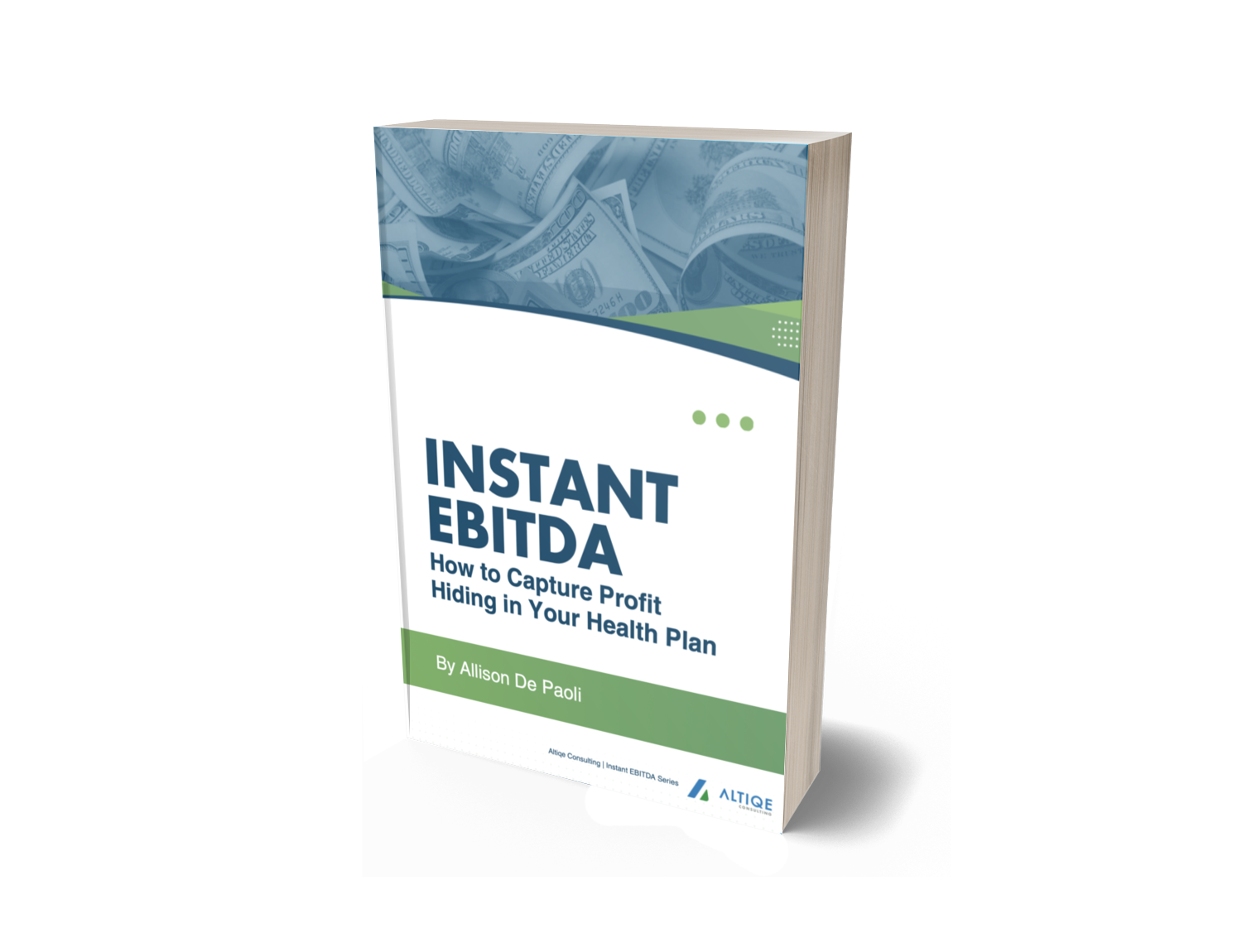
Transform Challenges into Opportunities! Discover how addressing high-cost claims can lead to a healthier workforce. Download our free Instant EBITDA eBook to learn more about proactive health management strategies. Have questions? Contact us today for more insights.